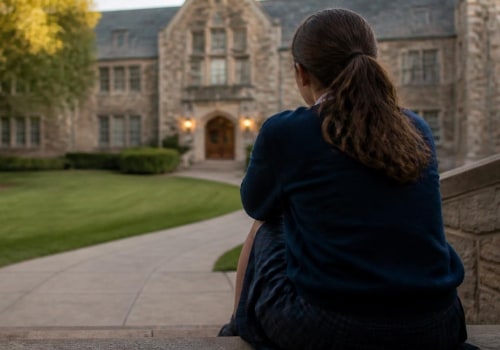
Losing someone to violence is a grief unlike any other. Families in Wilmington who have lost a son, daughter, parent, partner, or sibling to a shooting or stabbing often face not only overwhelming sorrow but also sudden financial strain, unanswered questions, and a criminal process they have little control over, all at a time when ordinary routines feel impossible.
When the death happened on a property where basic security was ignored, Delaware law offers families a way to hold the responsible owner accountable. This post explains those options gently and in plain language, so families can consider them when they are ready.
Two kinds of claims
Delaware law generally allows two related civil claims after a death caused by someone's negligence.
A wrongful-death claim compensates certain surviving family members for their own losses. Delaware's statute identifies who may benefit, generally including a spouse, parents, children, and siblings of the person who died.
A survival action belongs to the estate of the person who died. It seeks compensation for harm the person suffered before death, such as medical expenses and conscious pain and suffering, as if they had been able to bring the claim themselves.
Both claims are commonly pursued together in a single lawsuit against the negligent property owner and any other responsible parties.
What families may recover
Delaware's wrongful-death law recognizes losses that reach well beyond a paycheck. Depending on the circumstances, damages can include:
- Funeral and burial expenses
- Income and support the household has lost
- The value of household services and care the person contributed
- Loss of companionship, guidance, and emotional support
- Mental anguish suffered by eligible family members
Delaware does not impose a general cap on compensatory damages in these negligence cases, so a jury can consider the full extent of the family's loss.
Holding the property owner responsible
Just as in an injury case, the family needs to establish that the owner of the apartment complex, bar, parking garage, store, or other property knew or had reason to know about the risk of violence and failed to take reasonable precautions. Delaware's foreseeability analysis looks at the broad record of earlier trouble at or near the site instead of demanding a carbon-copy crime. Dispatch histories, nuisance-property designations by the city, written complaints, and repair tickets can each shed light on the owner's awareness.
The family's civil case stands on its own, regardless of the criminal verdict. It can move forward whether the person responsible for the killing is convicted, acquitted, never identified, or no longer living.
The deadline
Delaware typically gives families two years, measured from the death, to file a wrongful-death suit. The survival claim may be tied to the date of the original injury. Because those dates can differ and evidence such as video may be lost quickly, families are encouraged to seek advice sooner rather than later, even if they are not ready to decide anything.
Opening an estate
To bring a survival action, someone usually needs to be appointed as the personal representative of the deceased person's estate through the Register of Wills. For a Wilmington resident, that is typically the New Castle County Register of Wills. A lawyer can help families understand that step and how it fits with the wrongful-death claim.
Immediate help through victim compensation
Delaware's Victims' Compensation Assistance Program may help families of homicide victims with certain costs, including funeral expenses and counseling, regardless of whether a civil case is ever filed. Victim advocates through police and prosecutors can also help families through the criminal process and connect with support services.
Taking things one step at a time
There is no expectation that a grieving family has every detail organized. An initial conversation can simply cover what happened, where, and what the family has learned so far. Lawyers can shoulder the job of collecting records and pinning down which companies controlled the property.
How the firm works on Delaware cases
From its Coral Gables base, The Haggard Law Firm devotes most of its work to families and individuals harmed by preventable crime. Michael A. Haggard was admitted to practice in Florida and holds no Delaware license. He serves Wilmington families together with co-counsel admitted in Delaware and, when the rules permit, asks the court for pro hac vice permission limited to their case.
The firm's lawyers have worked through close to 500 security-related matters. A jury in one awarded $102.7 million, a figure no other U.S. negligent-security trial has surpassed; it is a gross amount.
Families pay an attorney's fee only if compensation is recovered. When you are ready, a private conversation at no cost can begin at (305) 446-5700. For more information, visit: https://crimevictim.attorney/negligent-security/delaware/wilmington/
Attorney advertising. Wrongful-death rules, eligible beneficiaries and deadlines depend on the facts and current Delaware law; this post offers background, not legal counsel. A call or message is not a retainer. Mr. Haggard is licensed in Florida. Past verdicts do not determine what any family will receive.