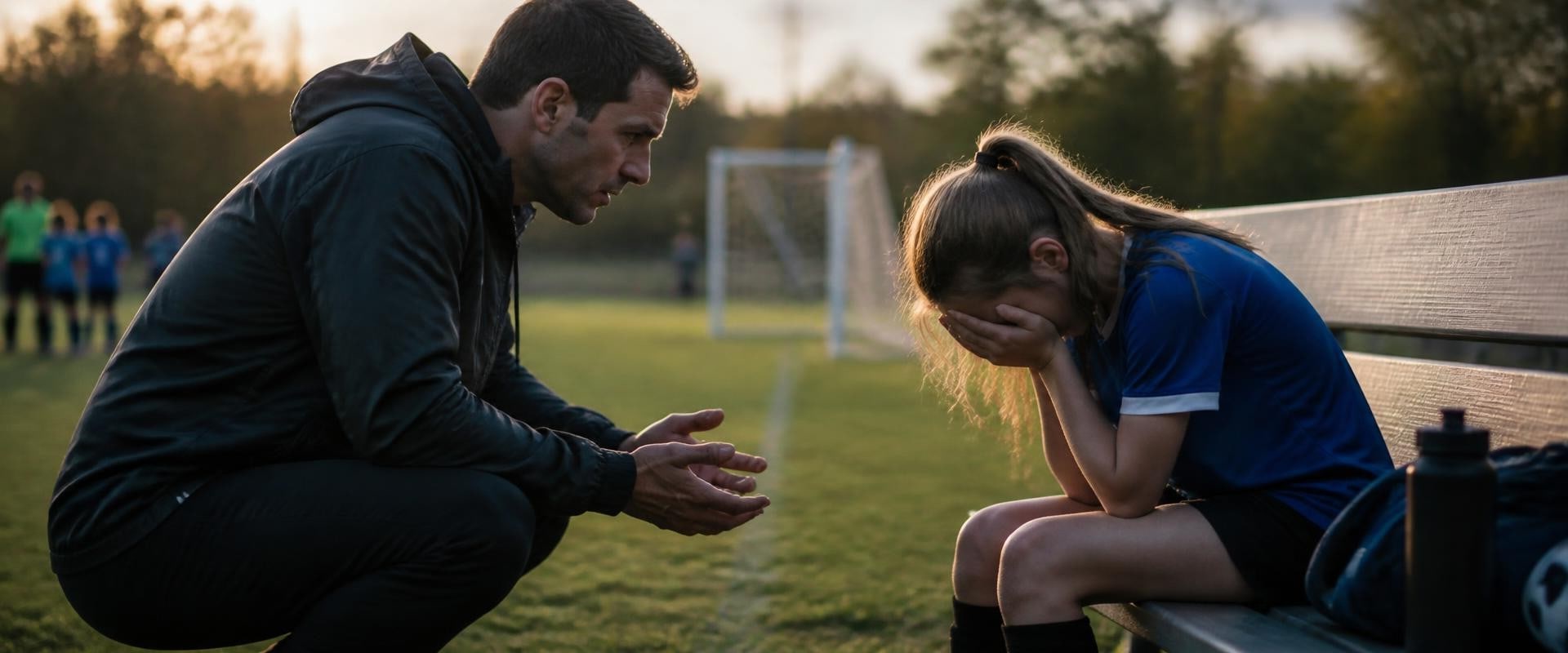
Youth sports are rarely run by a single organization. A child might play for a local club, which belongs to a regional league, which operates under a state association, which is affiliated with a national governing body. Each layer may set rules, certify coaches, sanction events or collect complaints. When a coach sexually abuses a young athlete, figuring out which of those organizations had a duty, and which of them failed, is one of the first and most important steps in any claim.
That work does not depend on a police report or a criminal conviction. A civil claim is aimed at the organizations themselves and asks what each one knew, what it should have known and what it did.
Why the Individual Is Not the Only Target
Claims like these are usually brought against the club, league or governing body, rather than only against the coach. Organizations control who gets to coach, set the conditions under which coaches interact with athletes and receive the complaints that should trigger action. Coaching gives an adult legitimate one-on-one access, overnight travel and authority over a child's future in the sport. The organizations that confer that access are responsible for how it is managed.
The Local Club
The club usually hired the coach, scheduled practices and arranged travel. Questions here often involve hiring decisions, how complaints from parents were handled and whether one-on-one sessions and car rides were monitored.
The League or Association
A league may sanction tournaments, set eligibility rules and require coach certification. If it received reports about a coach and allowed that coach to keep working within its events, that decision may matter.
The National Governing Body
For Olympic and Paralympic sports, national governing bodies fall under the U.S. Center for SafeSport, created in 2017 as the independent authority over abuse in the Olympic and Paralympic Movement. The Center keeps a public, centralized disciplinary database of individuals who have been restricted or banned. That database includes sanctions imposed by the Center and also by governing bodies and their local affiliated organizations. Governing bodies and affiliates must adopt the Center's Minor Athlete Abuse Prevention Policies, which require that one-on-one interactions with minor athletes be observable and interruptible.
Legal Theories Across Organizations
Negligent retention is the theory that most often carries these claims: an organization kept a coach involved after it knew or should have known of a danger. Negligent supervision, which looks at whether the organization allowed unsafe conditions like private one-on-one access or unsupervised travel, and negligent hiring often apply too. Different theories may fit different organizations in the same case, and which ones apply is a question of fact.
Why Public-Body Immunity Rarely Applies
Clubs, leagues and governing bodies are typically private. The Tort Immunity rules that govern claims against Illinois public bodies therefore do not apply in the same way, and the questions are the ordinary institutional ones.
Beyond Traditional Sports
The same principles can apply to other youth programs with coaching or mentoring roles. The firm also handles claims involving organizations such as the Boy Scouts in Illinois, where similar questions about access, travel and authority arise.
How Long Former Athletes Have
Under 735 ILCS 5/13-202.2(f), childhood sexual abuse actions may be commenced at any time, as long as they were not already time-barred before the amendment took effect. How that applies depends on when the abuse happened and when the survivor turned 18.
Questions We Often Answer
I don't know which organizations my club was affiliated with. That is normal. Tracing affiliations is part of the initial review.
The club has since folded. Responsibility may still rest with affiliated organizations and insurers. The facts will tell.
Do I have to have reported it? No. A civil claim requires no police report, charge or conviction.
What does it cost? Nothing up front. The firm works on contingency, so there is no fee unless there is a recovery.
How We Begin
A first call is simply a conversation, and you will not be asked to describe the abuse. If you would like us to proceed, we research without charge which club, league or governing body had responsibility, what each knew, which records exist and whether a claim can still be filed. We give you a clear picture and leave the decision to you. If you stop, your information stays confidential. If you continue, we manage filings, deadlines, records and insurers, and can pursue protections for your identity.
Get in Touch
Ervin Nevitt has been a member of the Illinois bar since 2014 and is a partner at Coplan + Crane. You can reach the firm day or night at (708) 671-6858, or visit 60 W Randolph St, Suite 333, Chicago, IL 60601.
RAINN provides free, private crisis support at 1-800-656-4673, 24 hours a day. If you face immediate danger, call 911. A call to RAINN does not change your legal options.
Attorney advertising. The material above is general and does not constitute legal advice.