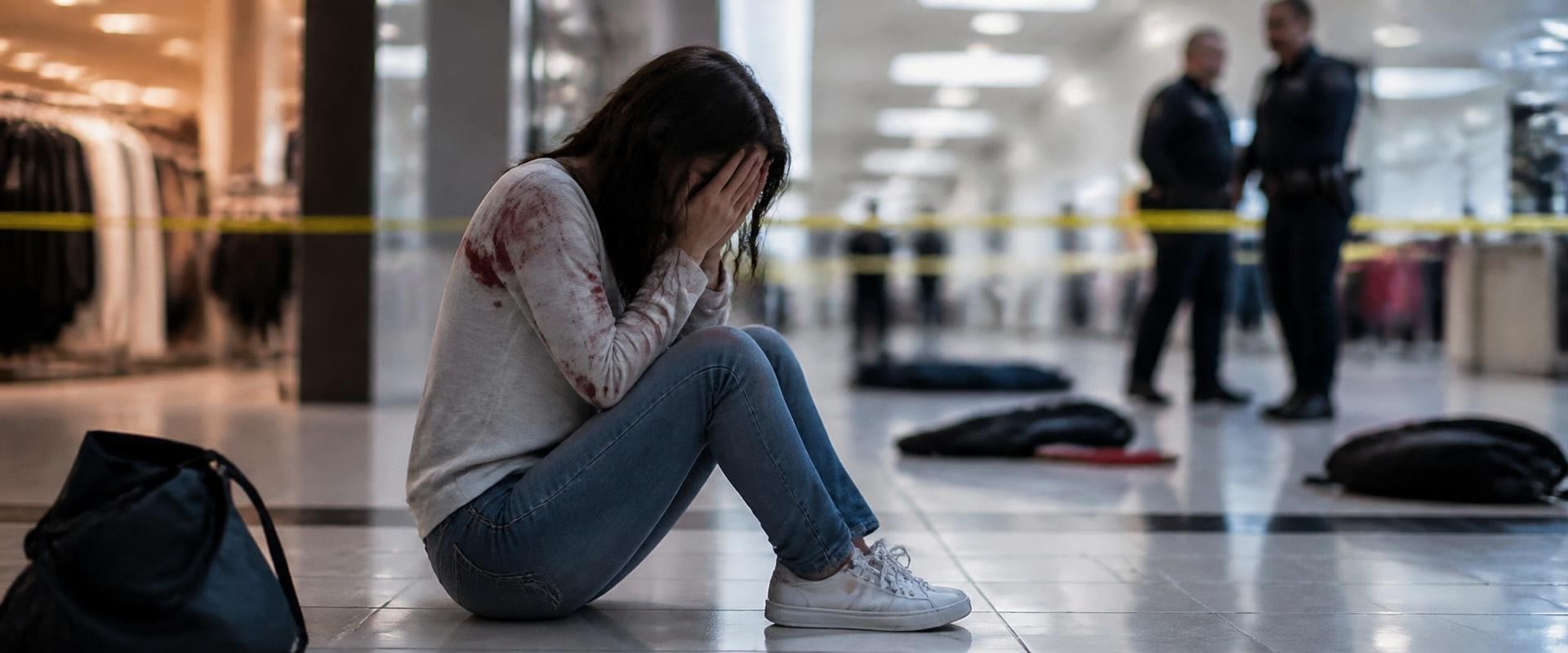
A violent attack at a shopping mall or retail store can rearrange a person's life in an afternoon. There are emergency surgeries and long hospital stays. There are months, sometimes years, away from work. There are nightmares, panic in crowded places, and a sense of safety that may never fully return. For families who lost someone, there is a permanent absence.
When the property's security failures helped make that attack possible, the injured person or family can seek compensation from the businesses responsible. Here is what that compensation is meant to cover.
Medical care, now and in the future
Gunshot wounds and serious assaults often require trauma surgery, intensive care, repeat operations, and long rehabilitation. Some injuries, like spinal cord damage or brain trauma, need care for the rest of a person's life. A negligent-security claim can seek both the medical costs already incurred and the future care a victim will need. That might include therapy, medications, assistive equipment, home modifications, and attendant care.
Projecting future needs usually involves treating physicians and specialists who can estimate what care will cost over the years ahead.
Lost income
Many victims cannot work while they recover, and some can never return to the job they had. A claim can seek wages already lost and, where the injury is permanent, the earning capacity the victim will not get back. Employment records, tax returns, and expert analysis help put numbers on those losses.
Emotional trauma
The psychological toll of being shot or assaulted in a public place can be as disabling as the physical injury. Survivors frequently struggle with anxiety, depression, post-traumatic stress, and fear of returning to stores, malls, or crowds. Compensation for emotional trauma recognizes that harm, which is often documented through counseling records and the testimony of the victim and the people closest to them.
Wrongful death
When an attack is fatal, the victim's family can pursue a wrongful-death recovery. The specific damages available, and who may bring the claim, depend on the law of the state where the death occurred. A lawyer can explain what applies in your case.
What drives the value of a claim
No two cases are worth the same amount. Value depends on the seriousness of the injuries, the strength of the evidence that the property's security was inadequate, and the insurance available from the responsible parties. A claim may involve the mall owner, the property management company, an individual store operator, and a security contractor, each of which may carry its own coverage.
The liability evidence matters just as much as the injuries. Proof that the mall had too few guards for its size, cameras that did not work, unsecured entrances or parking structures, no active-threat plan, or a known crime problem it ignored can make the difference.
A look at one of the largest results in the field
The Haggard Law Firm obtained a $102.7 million verdict for a patron who was shot and left a ventilator-dependent quadriplegic because of inadequate security at a Miami nightclub and shopping center. It is the largest negligent-security verdict in U.S. history. The case shows how seriously a jury can take a property's failure to protect the people it invites in.
That amount is a gross recovery, before fees and costs. It reflects one case with its own facts and is not a prediction of what any other case will bring.
Where the money comes from
Victims sometimes worry that a lawsuit would bankrupt a local business or that there will be nothing to collect. In practice, recoveries in negligent-security cases usually come from the liability insurance of the property owner, the management company, the store, or the security contractor. Those policies exist for exactly this kind of claim. Identifying every responsible party helps identify every policy that may apply.
How long a case can take
Some claims settle within months once the evidence is gathered. Others take years, especially when injuries are catastrophic or the defendants dispute who controlled security. Serious injuries may also need time to stabilize before their full cost is clear. A good legal team will explain the expected timeline and keep you updated as the case moves forward.
Protecting the value of your case
The most important thing a victim can do is act before evidence disappears. Surveillance video from stores and malls can be lost within days. Keep every medical bill and record, save pay stubs, and write down how the injury affects daily life. Avoid giving recorded statements to the property's insurer before speaking with a lawyer.
Talk to the firm about your situation
The firm has handled nearly 500 negligent-security cases. It represents victims and families on contingency, so there are no attorney's fees unless it recovers compensation. For a free and confidential review, call (305) 446-5700 or visit https://crimevictim.attorney/negligent-security/shopping-mall-retail/.
Attorney advertising. Nothing in this post is legal advice, and no attorney-client relationship is formed by reading it or getting in touch. Verdicts and settlements in past cases do not guarantee similar results.