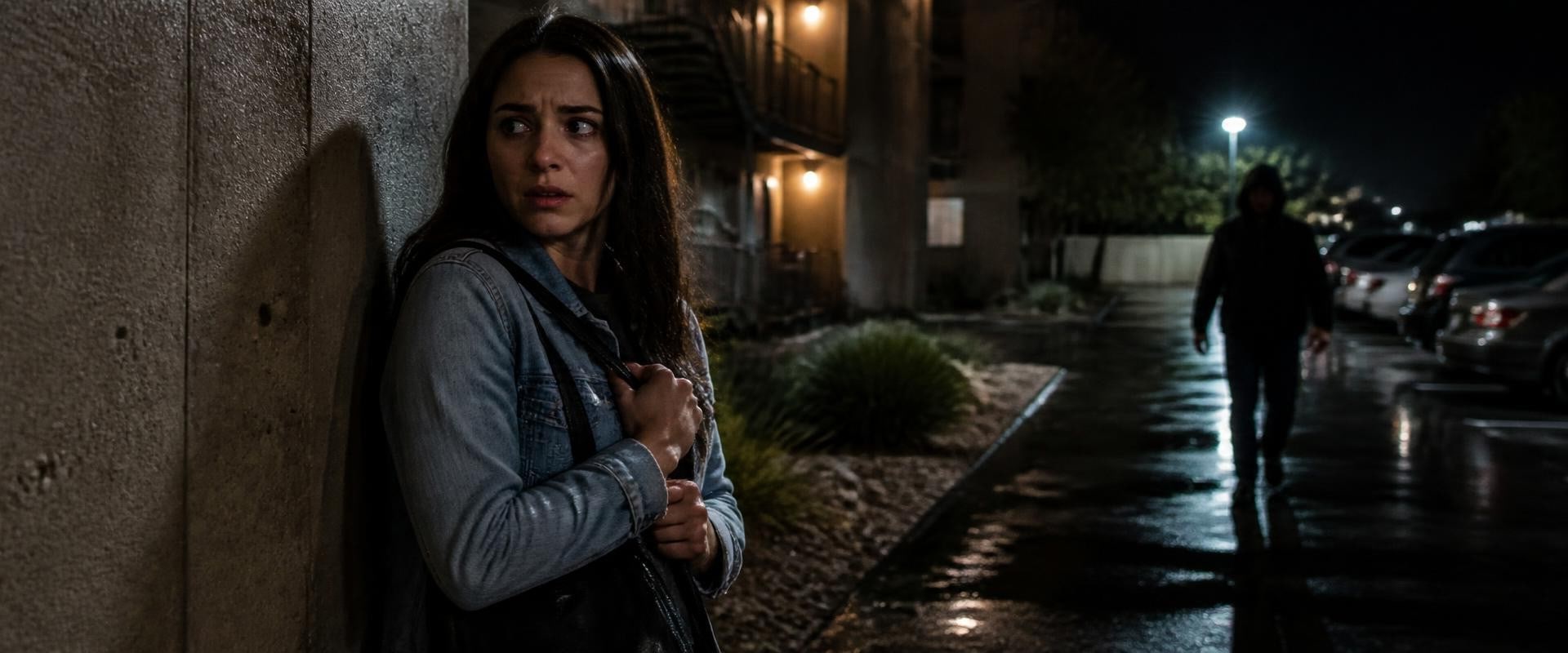
Negligent-security cases in Arizona tend to come from the same kinds of places. They are properties that draw a steady flow of people, often at night, and where owners make daily decisions about locks, lighting, cameras, and staff. When those decisions fall short of the known risk, the people who live, shop, work, or stay there pay the price.
This post looks at the properties where these claims most often arise, the security failures that tend to show up in each, and how Arizona law treats a stabbing or shooting on that property.
The legal rule that applies everywhere
Whatever the setting, the starting point is the same. An Arizona owner that controls a property owes the people on it a duty to protect against foreseeable third-party crime. The Arizona Supreme Court recognized that duty in Martinez v. Woodmar, a 1997 case involving a shooting in a condominium parking lot. An Arizona appeals court applied the same principle to a shopping mall that same year in Knauss v. DND Neffson Co.
Foreseeability determines how much security the owner needed. Jurors, rather than judges, typically decide if the precautions taken were reasonable. And the weapon does not change the analysis: Arizona handles a stabbing on a poorly secured property the same way as a shooting.
Apartment complexes
Residents rely on their landlord for the basics of safety. Warning signs often include repeated break-ins, robberies in the parking areas, and complaints that never got a response. Typical failures include gates that stay broken for months, burned-out lights in breezeways, and doors that do not lock.
Condominiums and HOA communities
Shared driveways, pools, and parking areas in a condominium or planned community are often controlled by an association rather than by individual owners. Martinez itself arose in this setting. When an association knows about criminal activity in the common areas and does nothing about it, residents and their guests may have a claim against the association.
Bars and nightclubs
Venues that serve alcohol late into the night know fights are a risk. Problems often involve too few trained staff, no weapons screening, crowd management that breaks down at closing time, and a failure to separate patrons who were already clashing inside.
Parking lots and garages
Dim, isolated, and often unmonitored, parking structures are a frequent scene of robberies and assaults. Owners may be responsible for broken cameras, stairwells without lighting, open access points, and patrol schedules that leave long gaps.
Hotels and motels
Guests are strangers to the area and depend on the property to keep out people who do not belong. Claims can involve key-card systems that do not work, exterior room doors with no controlled access, or staff who ignore reports of suspicious activity.
Stores, malls, and other businesses
Retail properties invite the public in and profit from heavy foot traffic. When a center has a record of armed robberies or violence in its lots and does little in response, that history can establish foreseeability.
Gas stations
Late hours, cash on hand, and a single clerk make some convenience stores and gas stations recurring targets. Prior robberies at the same location are often central evidence.
Arizona rules that follow your case
The property type affects the facts, but the same Arizona framework governs every claim:
- Your claim is against the owner for its security failures and stands apart from any criminal prosecution of the attacker.
- The general filing window is two years: from the day of the attack for someone who was hurt, and from the date of death for a family bringing a wrongful-death case.
- Arizona uses pure comparative fault: any fault assigned to you reduces your recovery without barring it, except where a plaintiff intentionally caused the harm.
- No statute can cap compensatory damages here, because the Arizona Constitution bars limits on recovery for injury or death. When a victim dies, relatives can pursue funeral expenses along with lost financial support and lost companionship.
Surveillance footage at all of these property types can be erased quickly. Prompt action is one of the best protections a victim has.
Representation across Arizona
The Haggard Law Firm takes negligent-security cases from across Arizona, including Phoenix and Tucson. The firm has handled nearly 500 such cases nationwide and won a $102.7 million verdict, the largest negligent-security verdict in U.S. history.
Coral Gables, Florida, is the firm's home base, and Michael A. Haggard is licensed in Florida rather than Arizona. Crime-victim cases are the firm's core focus, and its national reputation in that niche means Mr. Haggard regularly teams up on Arizona matters with an attorney who holds an Arizona license. Where court rules permit, he requests pro hac vice admission for that one case. Local Arizona counsel is part of every Arizona matter.
Tell the firm where it happened
A free, confidential case review is available at (305) 446-5700. The firm is paid only through a recovery, with no fee unless it wins.
Attorney advertising and general information. This is not legal advice and does not establish an attorney-client relationship. Michael A. Haggard is licensed in Florida. Results achieved for other clients do not guarantee a similar outcome for you.