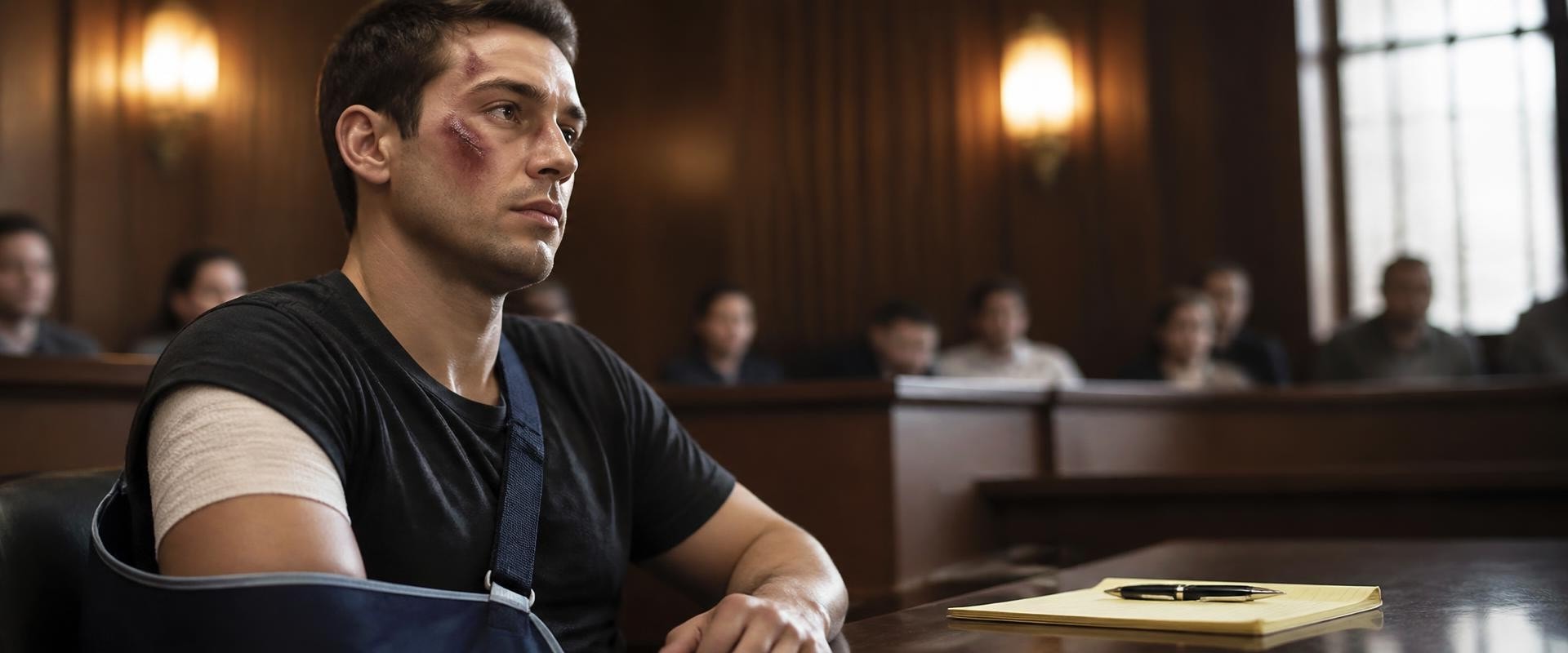
After an attack at a bar or club, the bills start arriving before the bruises fade. Emergency surgery, follow-up visits, physical therapy, and prescriptions add up fast. Time away from work cuts into income. Visible scars may last a lifetime, and the fear of crowds or loud places can linger even longer.
If the club's lapses opened the door to the attack, those businesses can be asked to pay for the harm. Here is what that compensation can cover, what affects its value, and an example of how seriously juries can treat nightlife security failures.
Medical bills
Bullet and knife injuries commonly mean operations, time in the ICU, and more surgery later. Blunt-force injuries from beatings can cause fractures, brain injuries, and damage to the eyes or teeth. A claim can include the cost of past treatment and, when injuries are long-lasting, the care a victim will need in the years ahead.
Lost income
Weeks or months off the job can be financially devastating, and permanent injuries may limit what kind of work a person can do in the future. Pay stubs, tax returns, and employer records help document these losses.
Scarring and disfigurement
Scarring is one category that stands out in bar and club cases. Bottles, knives, and broken glass frequently cause lacerations to the face, neck, and hands. These injuries affect how a person looks and how they feel about themselves, and they can be compensated separately as part of the harm.
Physical and emotional trauma
Pain is only part of it. Survivors often experience anxiety, flashbacks, trouble sleeping, and fear of going out in public. Counseling records and testimony from people close to the victim can show how the attack changed daily life.
Wrongful death
Families who lose someone to nightlife violence may file for wrongful death. State law sets who qualifies and what they may collect.
What affects the value of a claim
Several factors shape what a case may be worth:
- The injuries. More severe and permanent harm generally means greater damages.
- The security failures. Proof that the venue understaffed its door, skipped weapons checks, over-served the attacker, or ignored a record of violence strengthens the case.
- Additional theories. In many states, dram-shop liability for over-service can add to a negligent-security claim.
- The defendants and their insurance. Insurance may exist at several levels: the venue's owner, its operators, and its guard contractor.
A record verdict involving a nightclub
In that case, The Haggard Law Firm represented a patron who lost the use of all four limbs and now needs a ventilator to breathe. The shooting happened at an inadequately secured Miami property containing a nightclub and retail shops. Jurors awarded $102.7 million. No negligent-security verdict anywhere in the country has been larger.
The award is reported gross, prior to fees and expenses. It reflects one case and its specific facts. Other claims will be valued on their own merits. It does show that juries can hold nightlife venues fully accountable when their failures cause devastating harm.
How long the process can take
Some nightlife claims resolve within a year once the evidence is gathered and the injuries have stabilized. Others take longer, particularly when injuries are severe, when several companies dispute who controlled security, or when the case heads toward trial. Settling too early can be risky if the full extent of an injury, such as nerve damage or the need for scar revision surgery, is not yet known. A lawyer can help time negotiations so that the claim reflects the complete picture of what the victim has lost.
Protecting the value of your claim
The strength of a damages case depends on documentation. Keep every medical record and bill, photograph injuries and scars as they heal, save proof of missed work, and note how the attack affects your life day to day. On the liability side, venue video and bar receipts can disappear quickly, so it is wise to involve a lawyer early.
Where payment comes from
Victims sometimes worry that the attacker has no money, and they are often right. That is one reason claims against the venue matter. Bars and clubs typically carry liability insurance, and security contractors usually have policies of their own. A recovery generally comes from those insurers rather than from anyone's personal savings, which makes meaningful compensation possible even if the attacker is broke.
Working with the firm
The firm has been involved in nearly 500 negligent-security cases. Clients pay attorney's fees only when compensation is recovered. To learn what your claim might involve, a confidential call to (305) 446-5700 is free. For more information, visit: https://crimevictim.attorney/negligent-security/nightclub-bar/
Attorney advertising. Use this page for background only; it is not legal counsel, and it forms no professional relationship with the firm. Verdict amounts from past cases are not a guarantee for future cases.


