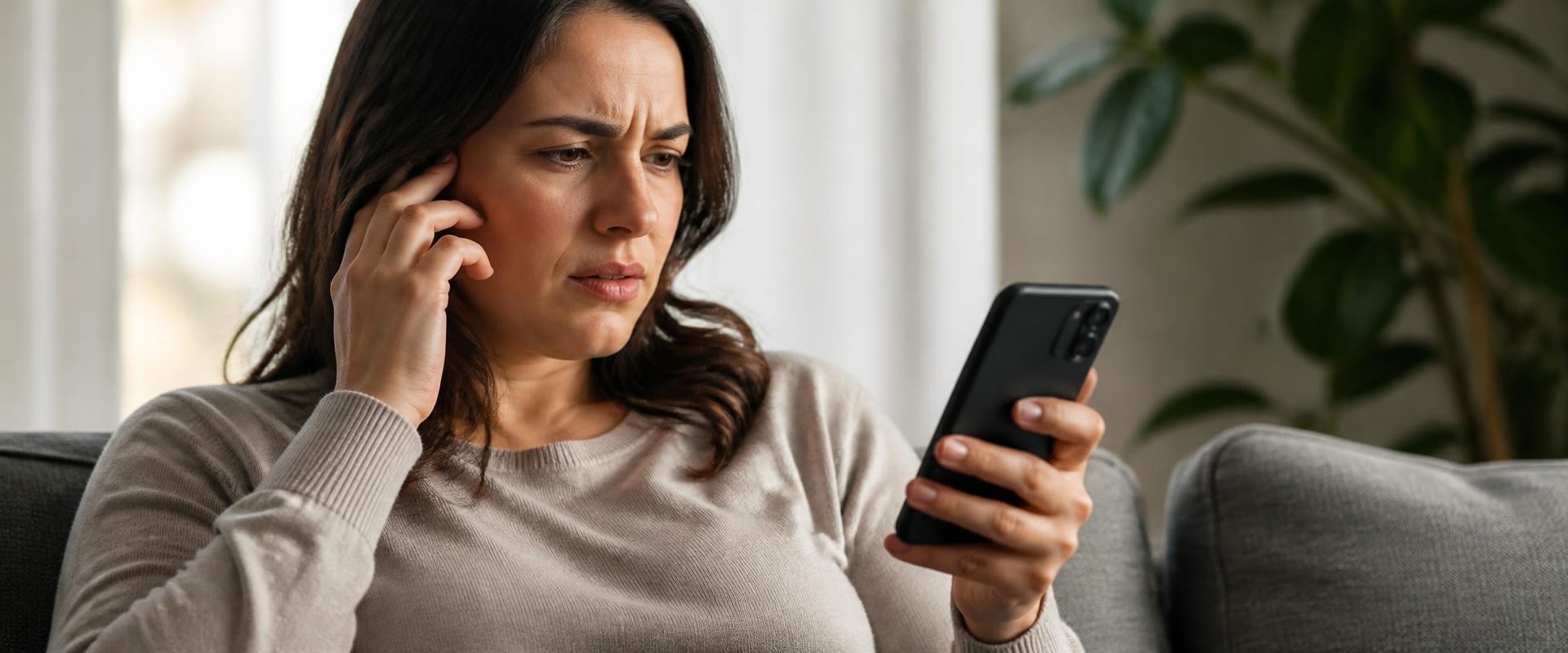
Taking action against unwanted telephone calls
Repeated robocalls can disrupt daily activities and create uncertainty about whether an unfamiliar caller is legitimate.
North Carolina residents have several options for reporting suspicious telephone communications and documenting possible violations.
State law restricts certain unsolicited prerecorded calls and telemarketing practices.
Federal authorities also accept complaints involving unwanted calls and potentially deceptive communications.
Reporting does not guarantee that every caller will be identified or that an individual complaint will result in compensation.
However, accurate complaints can help regulators identify patterns of unlawful conduct.
Recognizing suspicious robocall activity
Some unwanted calls contain prerecorded sales messages. Others use live operators, misleading caller identification, or automated dialing technology.
A suspicious caller may claim that immediate payment is necessary or request sensitive personal information.
Consumers should be cautious when callers demand financial information or pressure them to act without verification.
A legitimate-looking telephone number does not necessarily establish that the displayed business initiated the call.
Documenting unwanted calls before reporting
Keeping an organized call history can make a complaint more useful.
A consumer should record the date, time, displayed number, and content of each suspicious communication.
If a recording was played, noting its general message may help identify whether the call was promotional.
The business name and any callback information are also valuable.
Why repeated calls should be tracked separately
North Carolina's statutory damages provisions distinguish between initial and later qualifying violations.
For that reason, an accurate count of communications may be relevant to a potential legal claim.
Consumers should avoid estimating the number of calls when reliable phone records are available.
Preserving the original information is generally better than relying entirely on handwritten summaries.
Local spotlight: Reporting robocalls to North Carolina authorities
The North Carolina Department of Justice provides consumer resources for reporting robocalls and suspicious telephone activity.
Residents may also file complaints with federal consumer protection agencies.
Reports can include information about the caller, the nature of the communication, and any suspected deceptive practices.
Consumers who believe their financial information has been compromised should also contact the appropriate financial institution through a verified contact method.
Reporting compared with filing a lawsuit
A regulatory complaint and a private civil lawsuit serve different purposes.
A complaint alerts enforcement authorities to possible unlawful conduct.
A civil lawsuit seeks relief available under applicable law, potentially including statutory damages.
North Carolina General Statute § 75-105 provides a private remedy for qualifying violations.
The existence of a complaint does not establish liability, and a consumer does not automatically receive damages after reporting a call.
Common questions around reporting robocalls in North Carolina
Where can I report suspicious robocalls?
Consumers can contact the North Carolina Department of Justice and appropriate federal consumer protection agencies.
Should I answer unfamiliar numbers to identify the caller?
There is no requirement to answer suspicious calls. Consumers should avoid disclosing sensitive information to unverified callers.
Can reporting a robocall stop future calls?
Reporting may support enforcement efforts, but it does not guarantee that future calls will stop.
Is a complaint the same as a lawsuit?
No. Complaints support regulatory review, while lawsuits seek judicial relief.
What records should I preserve?
Call histories, message content, voicemail recordings, and documentation of requests to stop calling are useful.


