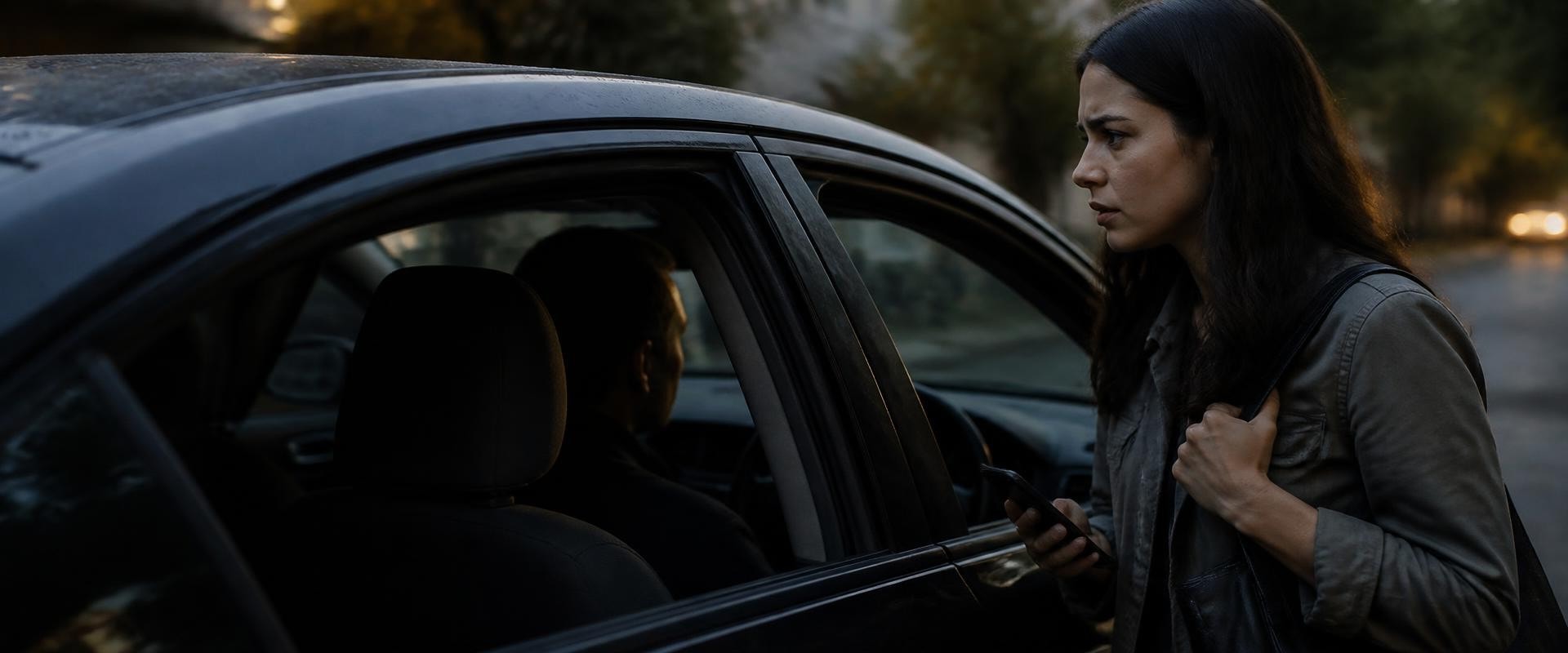
Some rideshare survivors notice it only afterward. The face behind the wheel did not quite match the photo on the screen. The car was a different color, or the plate was off by a character. In the moment, they assumed the picture was old or the app had glitched. Later, they wonder whether the person who assaulted them was even the driver the company had approved. That question is not a minor detail. In Illinois, it can sit at the center of a claim against the rideshare company.
A civil claim does not require a police report, and the driver does not need to have been charged. It examines the platform's conduct: what it knew, what it should have known and what it did.
What the App Is Required to Show You
The Illinois Transportation Network Providers Act, 625 ILCS 57, requires the app to display a picture of the driver and the vehicle's license plate number to the passenger before the passenger gets in. That requirement exists so riders can confirm they are entering the right car with the right person.
Chicago Requires Ongoing Identity Checks
In Chicago, Chapter 9-115 of the Municipal Code goes further. Driver eligibility is a continuing requirement, and companies must have drivers re-verify their identity in the app on a schedule set by rule. The ordinance notes that this may include facial recognition. Companies must also attest to the city that each applicant for a chauffeur license meets the eligibility requirements.
Why a Mismatch Matters
If someone other than the approved driver was operating on an account, the company's identity checks become part of the claim. A stranger using another person's approved account never went through the screening the law requires. That person may never have faced a background check, a sex offender registry search or a driving history review.
Mismatches can happen in several ways. An approved driver might lend their account to a friend or relative, rent it out or let someone else finish a shift. An account might be taken over by someone who was never approved at all. In each scenario, the company's tools for confirming that the approved person is the one actually driving are what stand between passengers and an unscreened stranger. How often those tools ran, and whether red flags were acted on, are fair questions in a claim.
The Screening the Real Driver Skipped
Section 15 of the state Act requires companies to collect detailed applications, run local and national criminal background checks including a multi-state search and the National Sex Offenders Registry and review driving histories before anyone drives. It bars people with certain recent convictions, including sexual offenses, as well as registry matches and anyone under 19. When an unapproved person was driving, none of those protections applied to them.
What the Records Can Show
The company holds the driver's identity, approval history and identity verification records, as well as the trip's route and timing and any earlier complaints about the account. Those records can reveal when identity checks were last completed, whether any failed and whether other riders had reported a mismatch before.
Your Own Evidence
Screenshots of the driver's name, photo and plate as the app displayed them can be especially important in a mismatch case, because they show what you were told to expect. Keep the app and your account so that the trip history and receipt remain available.
Where Responsibility Lands
Claims are usually brought against the platform rather than only the individual. Negligent screening is the theory that most often carries them, and in mismatch cases the company's identity verification practices are often central. Several theories typically run together. Rideshare companies are private, so Illinois Tort Immunity rules for public bodies do not apply in the same way.
Questions About Driver Identity
The driver did not look like the photo in the app. Does that matter? It can matter a great deal. The law requires the app to show you the driver's picture, and Chicago requires identity re-verification. A mismatch puts the company's checks at issue.
I didn't notice the mismatch until later. That is common. Your screenshots and the company's records can help establish what happened.
Do I need a police report to bring this up? No. A civil claim does not depend on one.
Can my name be kept private? Steps can be taken to protect your identity in court, and we explain them first.
Starting the Conversation
You can call just to ask whether a mismatch could matter. A person answers, and you will not be asked to describe the assault. If you want us to dig in, we look at no cost into which company was responsible, what its identity and screening records show, what it knew and whether a claim can still be brought. We explain plainly what is possible, and you decide. If you stop, nothing you shared goes anywhere. If you continue, we handle filings, deadlines, records and insurers, and can request identity protections. Timing depends on the facts, so it helps to ask soon.
How to Reach Us
Phone (708) 671-6858 at any hour to speak with the office of Ervin Nevitt, a Coplan + Crane partner admitted in Illinois in 2014. Mail and visits go to 60 W Randolph St, Suite 333, Chicago, IL 60601.
RAINN's free hotline, 1-800-656-4673, provides confidential support every hour of the day. In danger? Call 911. Talking with RAINN leaves your legal choices untouched. For more info, visit: https://survivorsofabuseil.com/rideshare-sexual-assault-lawyer-il/
Attorney advertising. This article is general and is not legal advice about your situation.